
Healthcare Employee Retention:
4 Ways to Make Benefits More Meaningful
What does it take to make staying at a hospital sustainable—not only professionally, but financially? Healthcare workers have a ton to juggle, from patient care and workplace safety to staffing challenges and career advancement. And that’s all before we even start to dig into their “outside life” and financial well-being.
For healthcare leaders, a useful starting point is practical financial support: understand employees’ pressures, consider the cost of turnover, and make existing benefits more flexible. The question for Total Rewards teams is: can our employees use the benefits we offer to build a more sustainable life here with us?
1. Understand the financial pressures behind retention
Nurses and hospital staff are an extremely precious type of employee and one we should not take for granted. That’s coming from both the general public and from an employer’s perspective. Unfortunately, many in this profession are feeling stressed and unsupported.
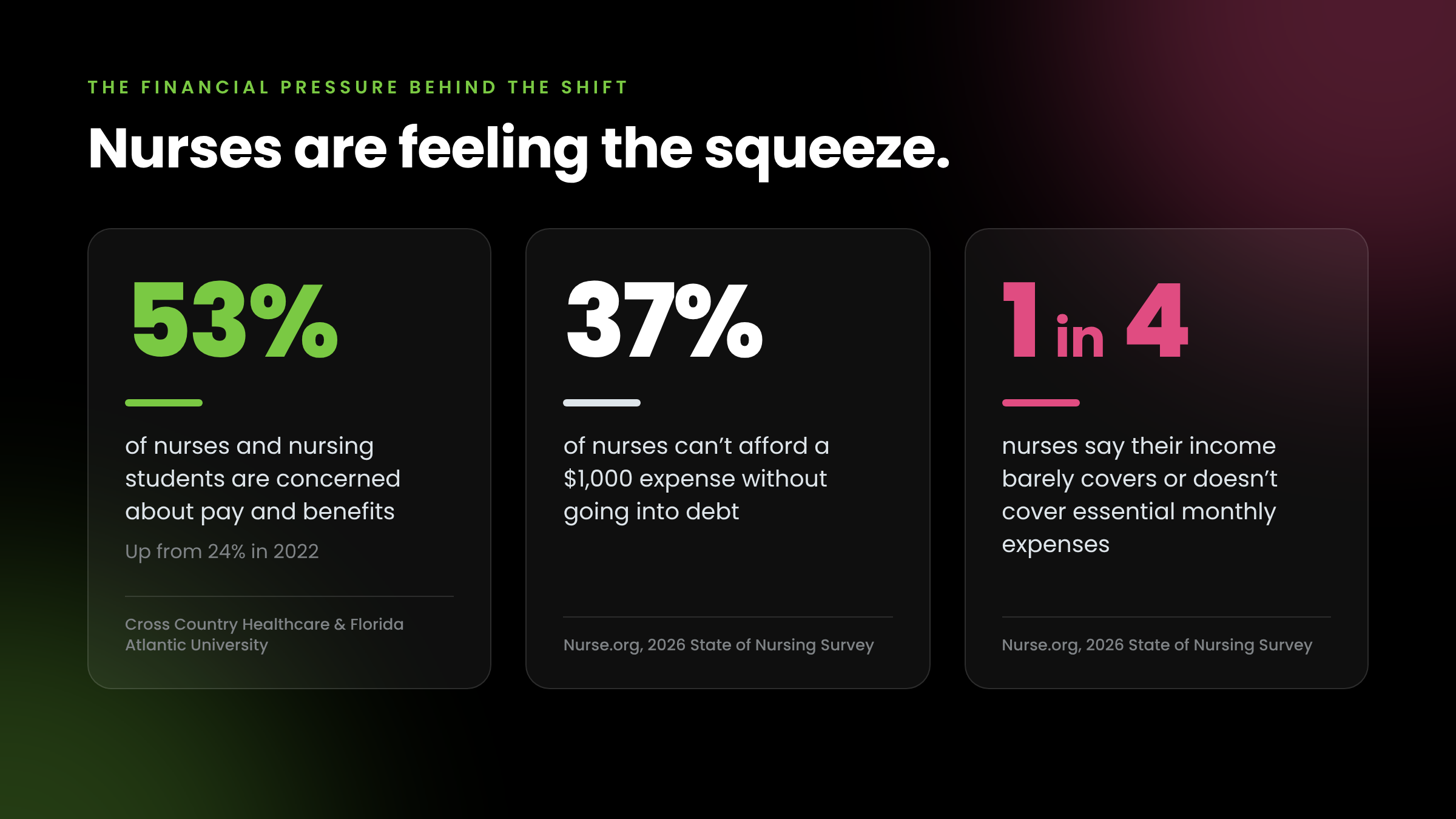
In a survey of more than 2,000 nurses and nursing students completed by Cross Country Healthcare and Florida Atlantic University, 53% of respondents were concerned about the pay and benefits they received, up from 24% in 2022.
As you can imagine, financial stress is a large part of the problem. In Nurse.org’s 2026 State of Nursing Survey, 37% of respondents said they could not afford a $1,000 expense without going into debt. And one in four nurses said their income barely covers or does not cover essential monthly expenses.
Transamerica’s Retirement Plan Trends in Healthcare survey found that nondiscretionary living expenses (82%) and money management (78%) ranked second and third in employees’ most pressing financial concerns, slightly trailing healthcare costs. Retirement preparedness (73%) was next on the list.
Now imagine an early-career nurse who needs to balance his budget while managing student debt. Or a hospital support employee in Minnesota whose water heater breaks down in February. Or the experienced clinician who is trying to raise a family while building her retirement savings.
2. Consider what turnover costs your hospital
An NSI Nursing Solutions report shows that the RN vacancy rate is 8.6% with nearly one-third of hospitals reporting a vacancy rate of 10% or higher.
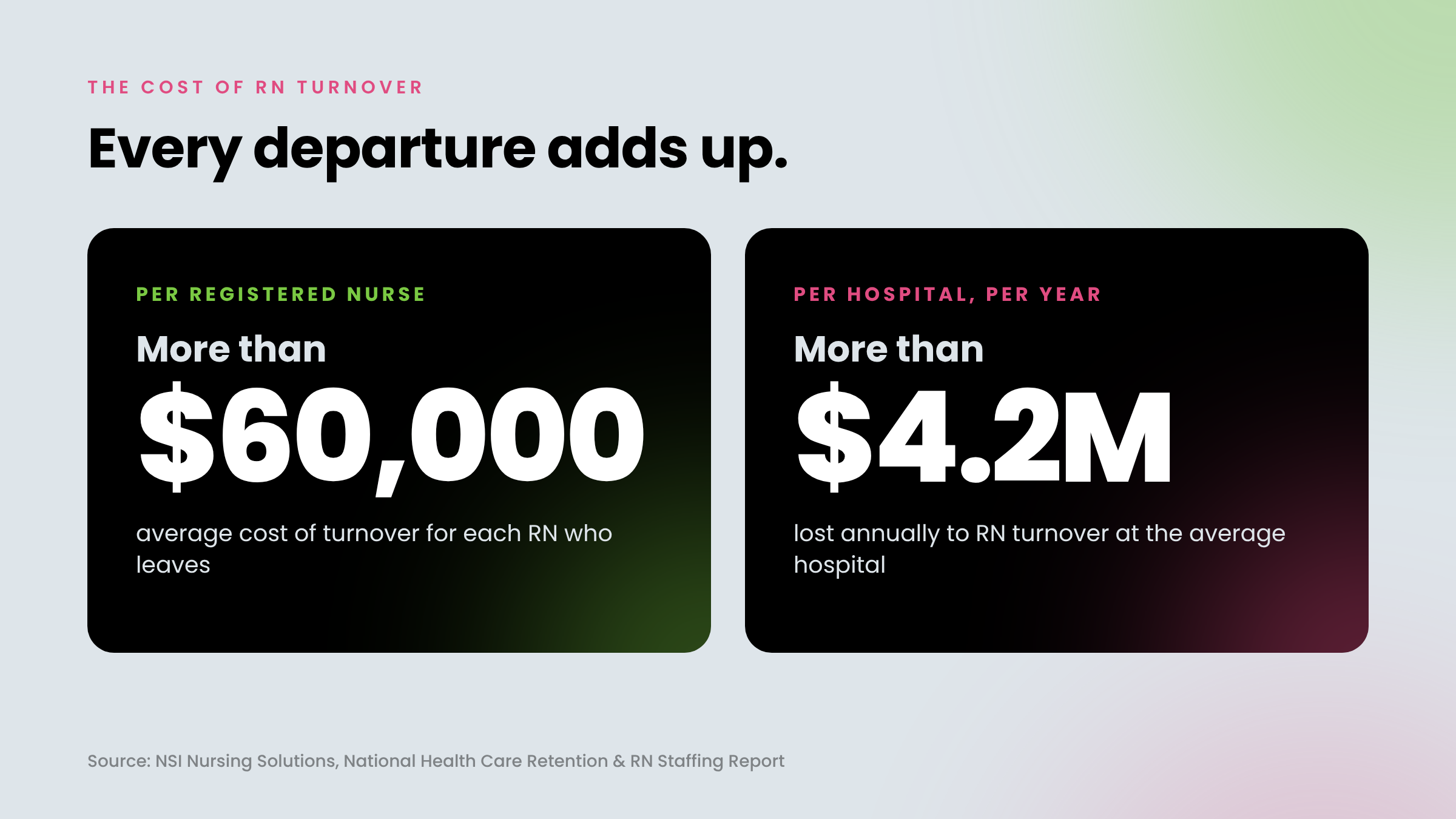
Finding creative solutions to champion these employees is as important as ever. And not solely because the employees need more support (although they do!). It’s also in the best interest of the organization. The same NSI Nursing Solutions report estimates an average turnover cost of more than $60,000 per RN, resulting in the average hospital losing more than $4.2 million annually. And the 1.2% increase in RN turnover from 2024 to 2026 negatively affected the bottom line of the average hospital by $360,000.
This type of churn affects both the bottom line and patient care. So finding cost-effective ways to support employees to enhance retention rates is key.
3. Make existing benefits more flexible
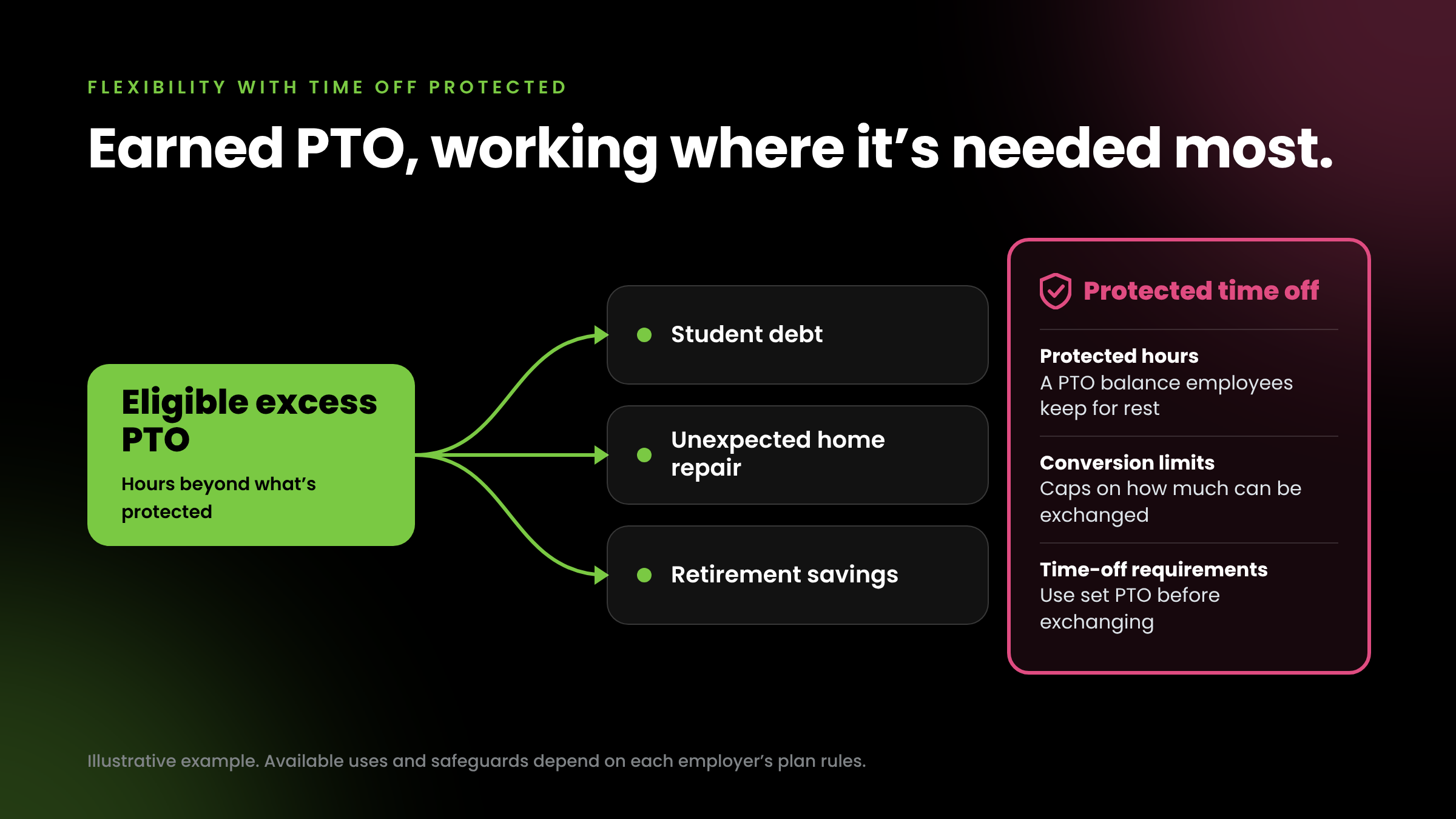
This could come in the form of PTO conversion programs, since the average healthcare worker has more than $3,200 of accrued PTO in their bank at any given time. Allow them to use this part of their earned compensation as a first line of defense for unexpected expenses—all without having to invent a new benefit.
Organizations can create safeguards like protected PTO hours, limits on how much PTO can be converted, or requirements to use a certain amount of traditional PTO before any hours can be exchanged. It’s this type of choice and flexibility that healthcare workers are looking for.
Other types of cost-effective solutions that can support financial well-being without breaking the budget include things like Section 127 Tuition Reimbursement plans. These types of programs help your employees further their education, making them more valuable employees with only a small investment from the company.
Some hospital systems, like Northwell Health, offer a company match toward emergency savings accounts to help employees prepare for the unexpected. Organizations can either match these dollars directly or make a “notional match” that can only be recouped under certain situations while the individual is still employed. That way, if they leave the organization, the notional match does not end up costing the hospital anything.
4. Turn employee needs into a measurable plan
If you’re wondering where to start, a strong recommendation would be to think about three key questions:
What pressures do employees want help addressing?
Survey your clinical and nonclinical roles to find out what your employees care most about.
What kind of budget does your organization have to meet the needs of your employees?
This can come in the form of new benefits being introduced or the repurposing of existing benefits (like excess PTO or an employee relief fund) to support employees in need.
What would meaningful improvement look like?
Determine how you would want to measure program success using metrics like benefits utilization, reduction in retirement loans, employee retention, and more.
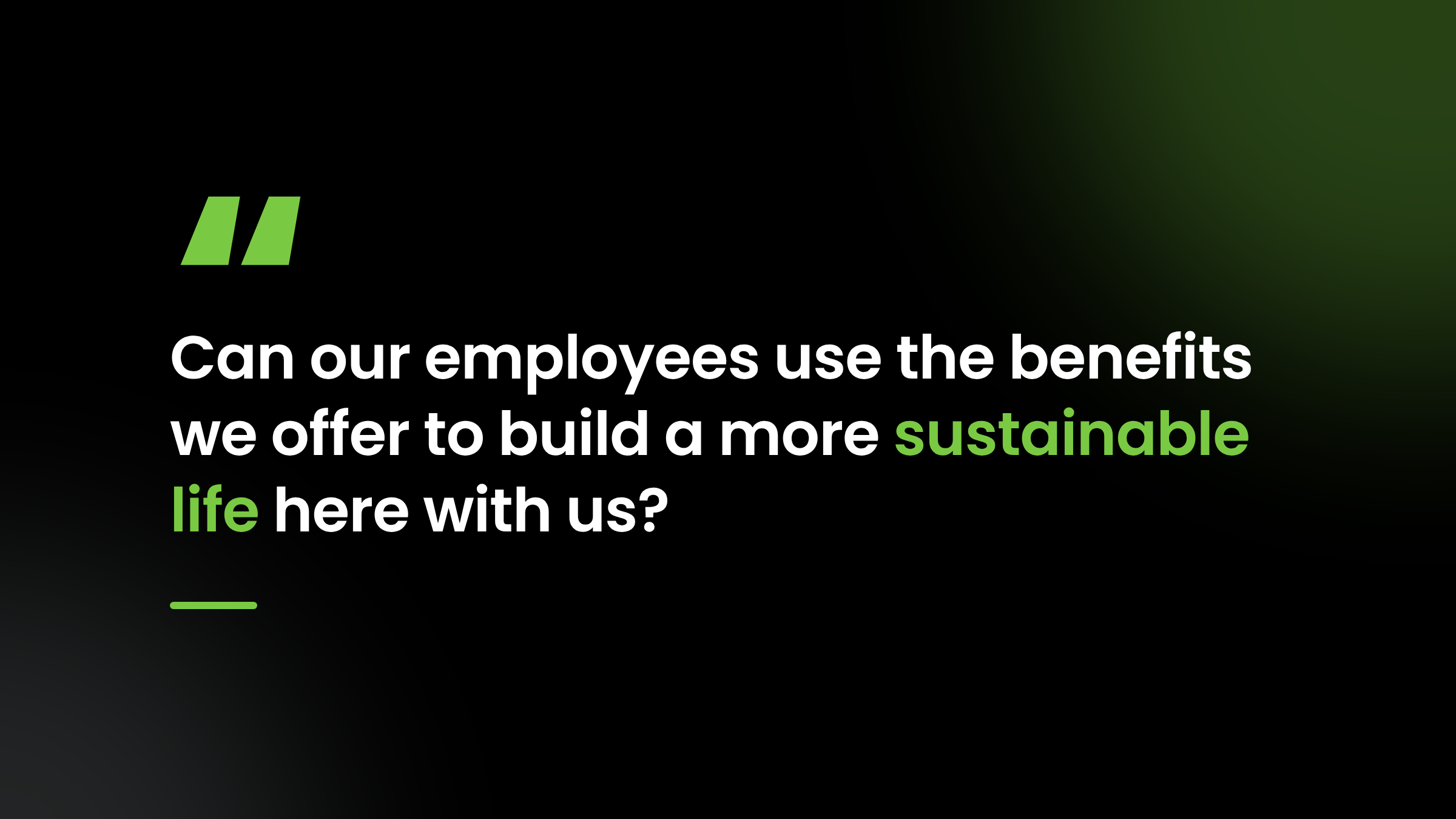
At the end of the day, hospitals and healthcare systems should not have to choose between supporting employees at work and helping them navigate life outside of it. A thoughtful Total Rewards strategy should allow you to do both. Intentional compensation, meaningful and flexible benefits, and practical financial support can all coexist. The question for healthcare leaders should not be “Do we offer competitive benefits?” It should be “Can our employees use the benefits we offer to build a more sustainable life here with us?”
Start by asking your employees what would make the biggest difference. Use our complimentary survey tool to identify the pressures your Total Rewards strategy could help address.
To learn more about PTO Exchange, visit https://www.ptoexchange.com/request-a-demo